
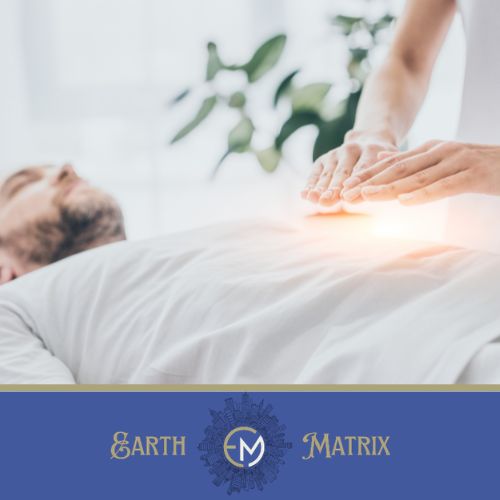
Reiki is a Japanese technique for stress reduction and relaxation that also promotes healing through the transfer of universal life force energy. This complementary therapy operates on the principle that energy can stagnate in the body where physical injury or emotional pain has occurred, potentially leading to illness.
In a world that rarely slows down, many people look for gentle ways to reset their nervous system, calm their mind, and feel more balanced. Reiki is one of the most popular energy-healing practices for this purpose, often described as deeply relaxing even for first-time clients.
If you’ve ever wondered what “Reiki energy” actually means and how Reiki works during a session, this guide breaks it down clearly—what it is, what happens, what people commonly feel, and how to know if it’s right for you.
Reiki is a Japanese energy-healing technique centered on the idea of a universal “life force” energy. The term “Reiki” commonly translates as “universal” (rei) and “life force energy” (ki), referring to a subtle energy that practitioners believe supports balance across the body, mind, and spirit.
In Reiki traditions, when this life force feels blocked, low, or out of balance, people may experience emotional heaviness, stress, fatigue, or a sense of being “off.” Reiki aims to encourage a return to harmony by supporting the body’s natural relaxation and reset response.
Reiki is typically described as a process of channeling universal energy through a practitioner to a recipient. The practitioner acts like a conduit, using light touch or hands held just above the body, with the intention of helping energy flow more freely.
From a practical standpoint, Reiki sessions also create conditions that support restoration: a calm environment, stillness, gentle touch (or near-touch), and focused attention. This can help many clients shift into a parasympathetic (rest-and-digest) state, which is commonly associated with reduced tension and improved emotional regulation.
A Reiki session is usually simple, quiet, and calming. While styles vary by practitioner, most sessions include the same core elements.
Many people use Reiki as a supportive wellness practice rather than a replacement for medical care, especially when stress or emotional overload is part of what they’re experiencing.
Reiki traditions often reference chakras—energy centers believed to relate to different aspects of well-being. Practitioners may place hands near the head, chest, abdomen, shoulders, knees, and feet to encourage balance across the whole system.
This isn’t about “forcing” anything to happen; it’s generally a gentle approach focused on calming the system. Balance is the goal, and sessions are often adapted based on what the client shares and what the practitioner notices.
Reactions vary, and it’s also normal to feel very little physically while still feeling calmer than when you arrived. Commonly reported sensations include:
These experiences are typically framed as signs of relaxation and energy shifting. Nothing needs to happen for Reiki to be considered beneficial—many clients value it simply for the quiet reset.
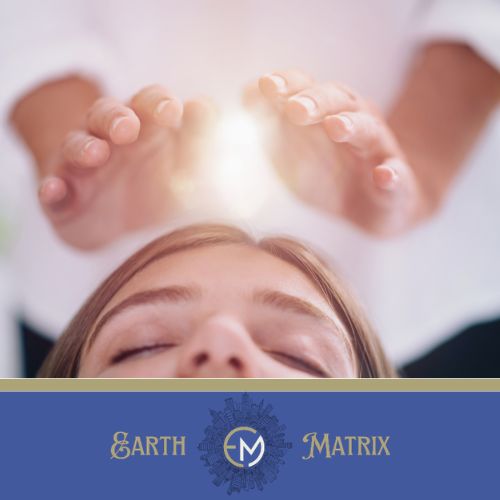
People seek Reiki for many reasons, especially when they want a low-pressure, calming approach to wellness. Reported benefits often include:
It’s important to keep expectations realistic: Reiki is not a guaranteed cure and shouldn’t replace medical treatment for pain, illness, or mental health conditions. Many people use it as supportive care alongside other therapies.
Reiki is generally considered low-risk because it’s non-invasive and gentle. Still, if you have a medical condition, severe mental health symptoms, or recent trauma, it’s wise to talk with a licensed healthcare provider—and choose a practitioner who communicates clearly, respects boundaries, and stays within scope.
If touch feels uncomfortable, you can request hands-off Reiki (hands held above the body). You remain in control the entire time, including asking to pause or stop.
You don’t need special equipment or experience. A few simple steps can help you get the most from it:
After the session, many people feel calm, tired, or emotionally lighter. Journaling or a short walk can help you integrate the experience.
Because Reiki is a holistic practice with different lineages and approaches, look for someone who makes you feel safe and respected.
If you’re local to a clinic or wellness center, check whether booking, practitioner bios, and policies are easy to access.
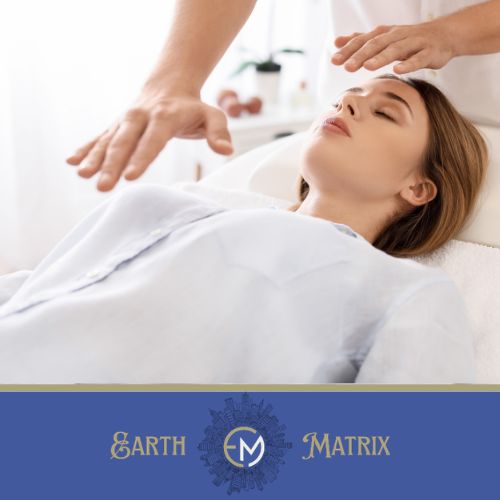
At Earth Matrix, we believe the best Reiki experience starts with feeling comfortable, supported, and understood. Our professional Reiki specialists create a calming environment focused on relaxation, balance, and personalized care.
Whether you are looking to reduce stress, restore energy, or simply take time to reconnect with yourself, our team is here to guide you through the process with transparency, respect, and compassion.
Take the first step toward relaxation, balance, and renewed energy with one of the top Reiki specialists near Phoenix.
Reiki offers a gentle, non-invasive approach to restoring balance and promoting natural healing. Whether you’re seeking stress relief, emotional clarity, or complementary support for medical treatments, Reiki provides a holistic pathway to wellness.
Ready to experience the benefits of Reiki energy healing? Book your personalized session today and discover how this ancient practice can support your journey toward greater health and vitality.
